Species
index.
Twenty-one dossiers, ordered by operational context. Each entry is keyed by functional group, with identification, biology, pest impact, control strategy, and named bait products with active ingredients.
Structural Invaders
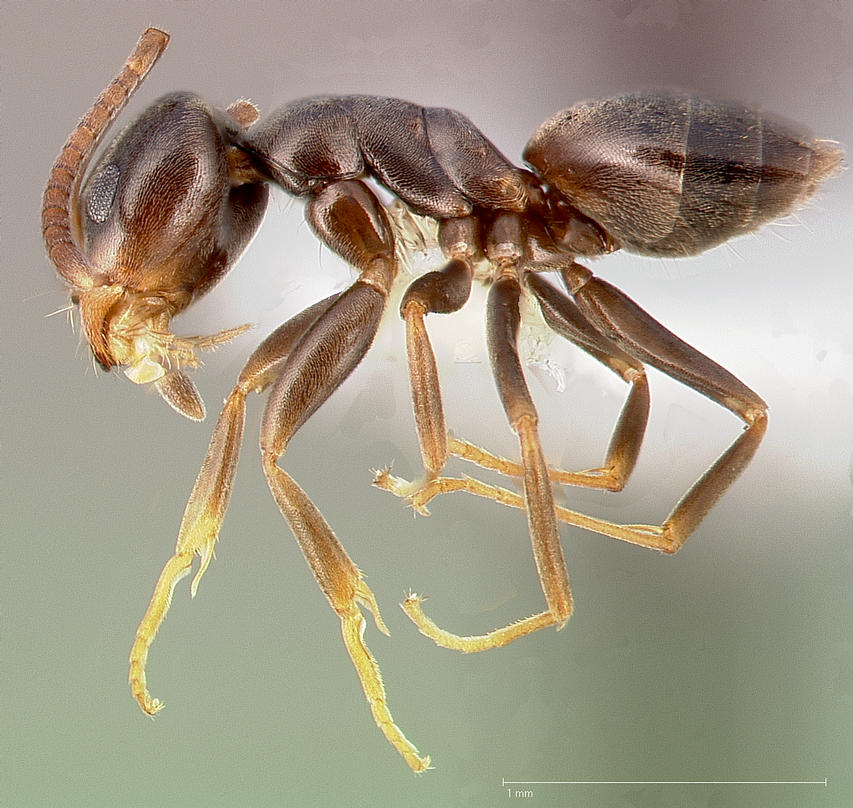
Odorous House Ant
The single most common household ant complaint in much of the U.S.; recognized by the rotten-coconut odor when crushed and by colonies that rapidly bud under pressure.

Carpenter Ant
Large wood-excavating ants and the second most economically damaging structural ant in the U.S. after termites; presence indicates a chronic moisture problem in the structure.
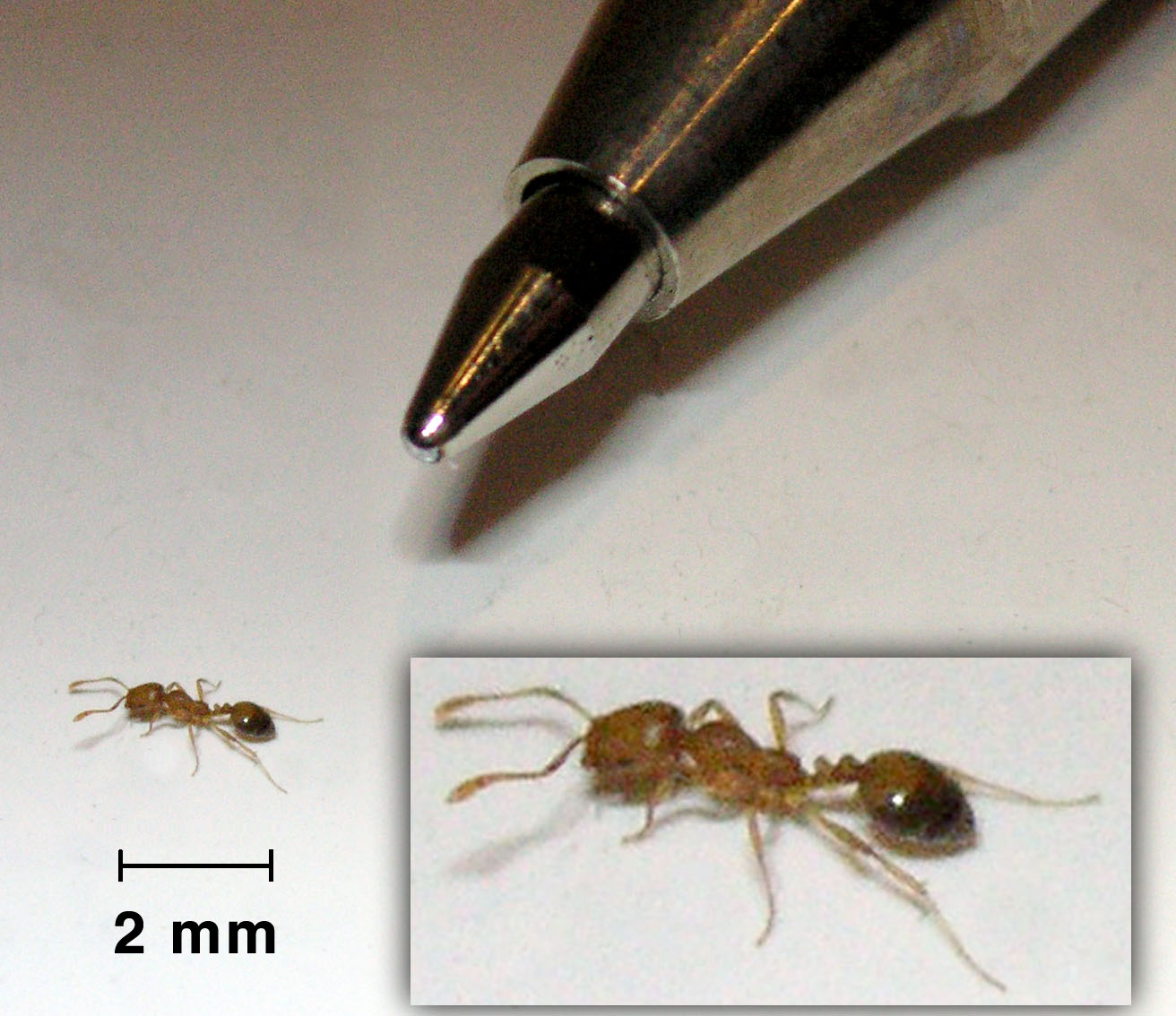
Pharaoh Ant
The classic indoor budding ant of hospitals, apartments, and commercial kitchens; the single most important rule is 'do not spray', repellent insecticides shatter the colony and turn one infestation into twenty.
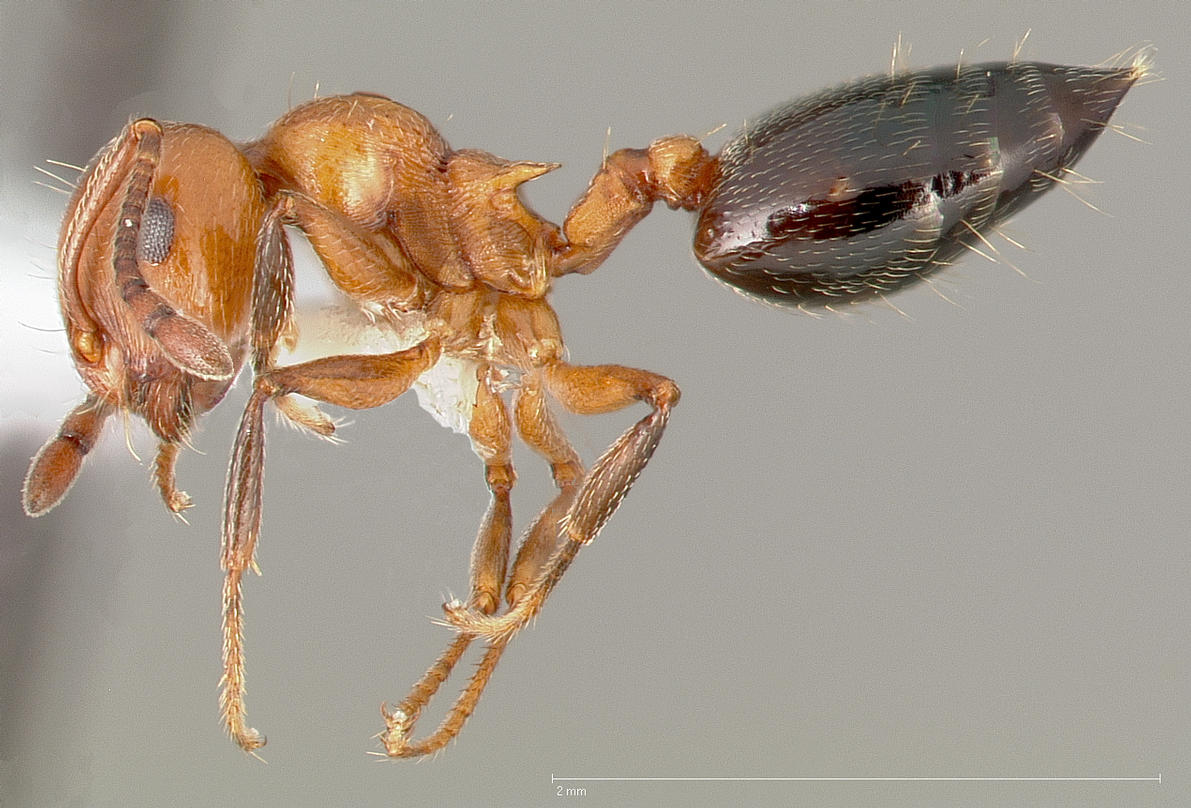
Acrobat Ant
A medium-small ant recognized by raising its heart-shaped gaster overhead when alarmed; commonly occupies abandoned carpenter ant or termite galleries and is therefore a useful indicator of pre-existing wood damage.
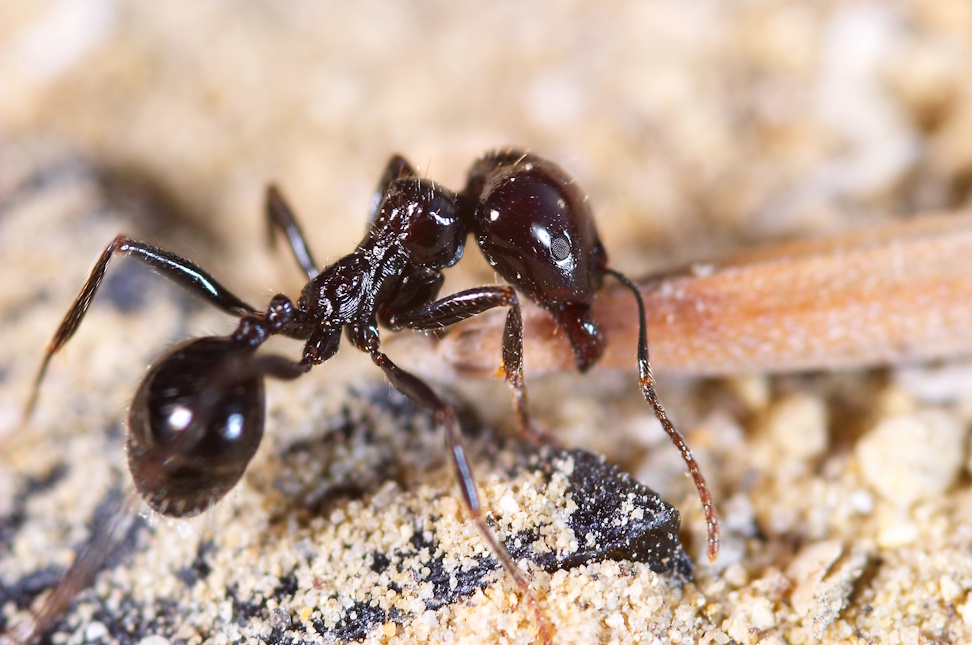
Rover Ant
A tiny, increasingly common indoor invader of the South; small colonies and weak bait response make it one of the more frustrating household ants to control.

Little Black Ant
A small, shiny black household ant common across the eastern U.S.; easily confused with other tiny dark ants but reliably separated by uniform jet-black sheen and a 12-segmented antenna with a 3-segmented club.
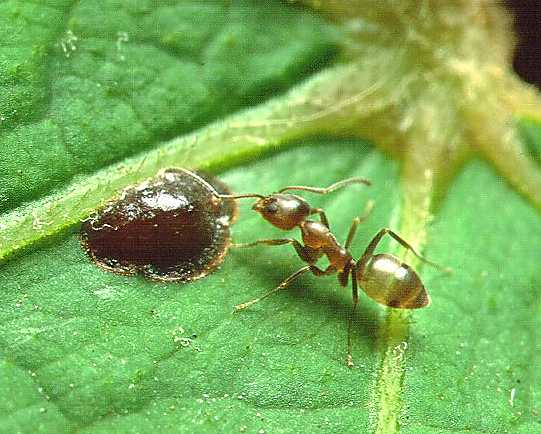
Argentine Ant
A globally invasive supercolony ant that forms thousand-mile networks across the California coast; the standard structural pest in many West Coast and Gulf cities, controlled with sweet liquid bait and non-repellent perimeter applications.

Longhorn Crazy Ant
A pantropical tramp ant with extraordinarily long legs and antennae and a fast, erratic gait; common indoors in heated structures across the U.S. and reaches outdoor populations in the Gulf and Florida.
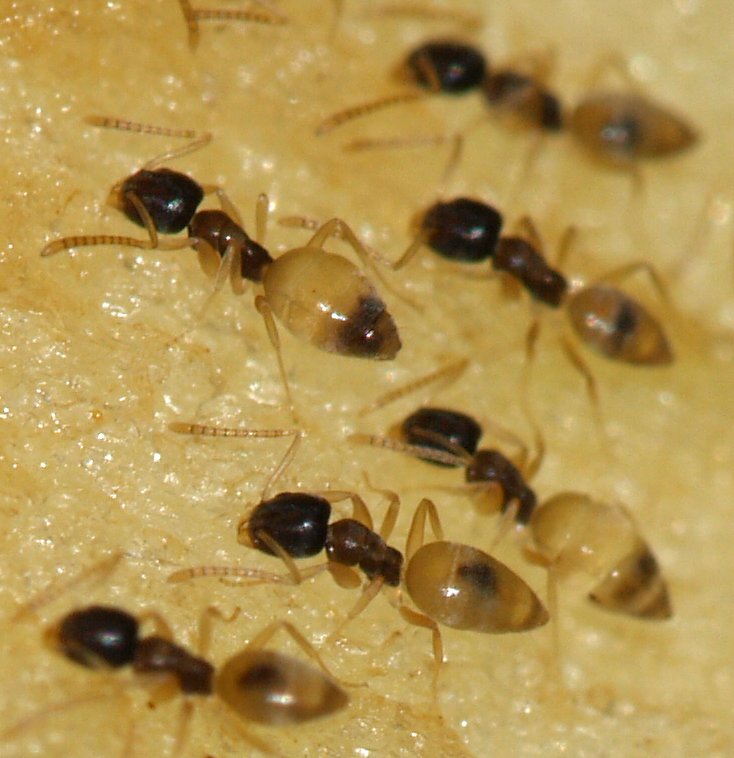
Ghost Ant
A tiny tramp ant with a striking two-tone body, dark head and thorax, ghostly pale gaster and legs, that vanishes against light surfaces; one of the most common indoor ants in south Florida.

Thief Ant
Extremely tiny pale yellow ants that nest beside larger ant colonies and raid their brood; routinely confused with Pharaoh ant but distinguished by a 2-segmented antennal club and a stronger preference for greasy/protein baits.

Pavement Ant
The classic 'sidewalk ant' of the urban Northeast and Midwest, depositing telltale piles of fine soil between concrete cracks; controlled with a combination of granular bait and non-repellent perimeter spray.

Citronella Ant
Yellow subterranean ants of basements and crawl spaces; encounters are almost always indoor winged-reproductive swarms in late winter and early spring, which homeowners misdiagnose as termites.

White-Footed Ant
An invasive arboreal tramp ant of Florida and the Gulf South notorious for huge diffuse populations and exceptionally poor bait acceptance; control depends on attacking the honeydew supply, not on baiting the foragers.
Outdoor Mound & Turf

Red Imported Fire Ant
The most economically significant invasive ant in the United States: a stinging, mound-building South American species under federal quarantine, requiring a two-step bait-and-treat program.

Pyramid Ant
A small outdoor ant recognized by tidy crater-like mounds with a single conical pyramid of soil at the entrance; one of the few native ants that actively preys on fire ant queens during mating flights.

Harvester Ant
Large conspicuous seed-harvesting ants of the arid West; sting is medically significant and the cleared 'disc' around a colony is a hazard near corrals, playgrounds, and athletic fields, but they are also essential prey for the imperiled Texas horned lizard.
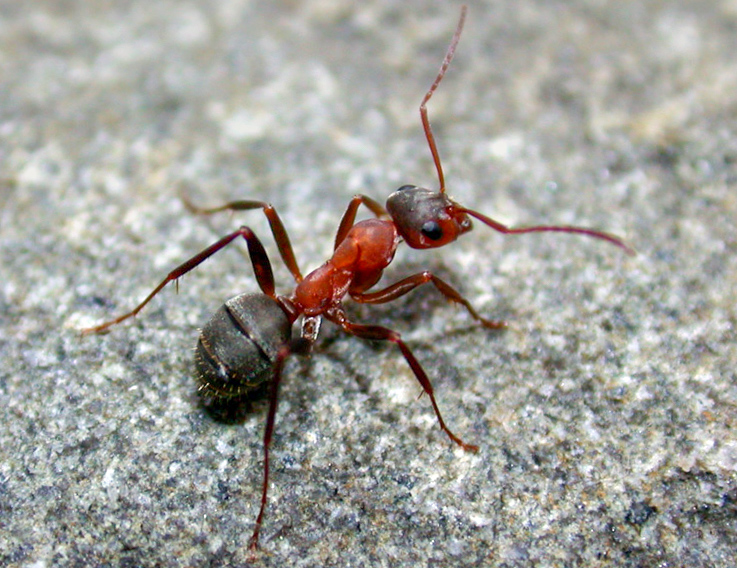
Field Ant
Large outdoor soil-nesting ants chronically misidentified as carpenter ants by homeowners; primarily beneficial predators but build conspicuous turf mounds and tend honeydew on landscape plants.

Allegheny Mound Ant
A bicolored mound-building field ant of the eastern U.S. that constructs spectacular soil domes up to 3 ft tall and 6 ft across, and which kills surrounding woody vegetation with formic acid sprays to keep the mound sunlit.

Cornfield Ant
The most abundant small soil-nesting ant of eastern lawns and golf courses; not an indoor pest but a major nuisance under brick patios and pavers and a significant agricultural pest as the tender of the corn root aphid.
